
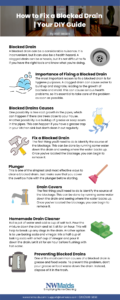
Welcome to our website , where we pride ourselves on providing helpful and informative articles about various home maintenance topics. Today, we will be discussing a common household issue that can easily cause headaches for homeowners – blocked drains. Whether it’s a clogged sink or a backed-up toilet, dealing with blocked drains can be frustrating and time-consuming. However, with the right knowledge and tools, you can tackle this problem like a pro.

Understanding the Cause of Blocked Drains
In order to effectively deal with blocked drains, it’s important to understand what causes them in the first place. One of the main culprits is the build-up of debris such as hair, soap scum, and food particles. Over time, these substances can accumulate in your pipes and create a blockage. Another common cause is tree roots invading underground pipes, which can cause damage and blockages.
If you live in an older home, your plumbing system may also be more susceptible to blocked drains due to outdated pipes and sewer systems. Additionally, flushing non-biodegradable items down the toilet, such as wet wipes or feminine hygiene products, can also lead to blockages.
Preventing Blocked Drains
The best way to deal with blocked drains is to prevent them from happening in the first place. Regular maintenance is key to keeping your pipes clear and free-flowing. This includes periodically cleaning your drains with hot water and a mixture of baking soda and vinegar, which can help break down any buildup and keep your pipes clean.
Be mindful of what you put down your drains and avoid flushing anything other than toilet paper. Use drain covers to catch hair and other debris from going down your sinks and tubs, and make sure to regularly clean them out. If you have trees near your property, consider getting your pipes inspected and trimmed to prevent root intrusion.
Dealing with Blocked Drains
If you do encounter a blocked drain, the first step is to identify where the blockage is located. If only one drain is affected, it’s likely a localized issue that can be easily fixed with a plunger or plumbing snake. However, if multiple drains are affected, it could be a sign of a larger problem within your sewer system.
If you’re comfortable handling minor blockages yourself, try using a plunger or plumbing snake to loosen and remove the obstruction. For more stubborn blockages, you may need to use a chemical drain cleaner. However, be cautious when using these products as they can be harsh and cause damage to your pipes if not used properly.
In some cases, you may need to call a professional plumber to deal with the blockage. They have specialized tools and equipment to properly assess and clear out your pipes, ensuring that the issue is resolved effectively and efficiently.
Tips for Maintaining Clear Drains
Once you’ve dealt with a blocked drain, it’s important to take preventative measures to keep them from happening again in the future. Here are a few tips to help maintain clear drains:
- Regularly clean your drains with hot water and a mixture of baking soda and vinegar.
- Avoid flushing non-biodegradable items down your toilet.
- Use drain covers to catch hair and other debris before they go down your drains.
- Trim trees near your property to prevent root intrusion in your pipes.
- Be mindful of what you put down your drains and avoid pouring grease or oil down them.
In Conclusion
Blocked drains can be a common and frustrating issue for homeowners, but with the right knowledge and preventative measures, you can keep your pipes clear and free-flowing. Remember to regularly clean and maintain your drains, and don’t hesitate to call a professional if you encounter a more serious blockage. With these tips in mind, you can say goodbye to blocked drains and hello to a smoothly running plumbing system.
We hope this article has been helpful and informative for you. For more home maintenance tips and tricks, be sure to explore our website. Thank you for reading and happy drain cleaning!